
Why Companies Are Hiring for Adaptability, Not Just Expertise
By Dara Kushner
For years, the strongest candidate was often the person who had done the job before, with the deepest expertise, the most relevant experience, and the ability to step in with minimal ramp-up time. That still matters. But the definition of a strong candidate is changing.
As technology continues to evolve, particularly with the rapid adoption of AI, companies are facing a new challenge: the skills that make someone successful today may not be the same ones they need tomorrow. The question employers ask has shifted beyond “Can this person do the job?” It is increasingly becoming, “Can this person continue to grow as the job changes?”
For candidates, this shift changes how they should think about their experience. It is no longer enough to focus only on what they have accomplished. They also need to show how they learn, handle change, and adapt when faced with something unfamiliar.
The strongest candidates will not only bring experience. They will bring the curiosity, flexibility, and ability to evolve that will allow them to succeed as roles continue to change.

Companies are looking beyond what someone knows today and considering how they will continue to perform as circumstances change.
Expertise Still Matters, But It Has a Shorter Shelf Life
Experience remains one of the most valuable things a candidate can bring to an organization. Industry knowledge, technical skills, and a proven track record all matter when companies are making hiring decisions.
However, the pace of change has accelerated. New technologies, changing customer expectations, evolving business models, and AI-driven tools are reshaping how many roles operate. A skill that was highly valuable a few years ago may look very different today.
This does not mean expertise is becoming irrelevant. Companies are looking beyond what someone knows today and considering how they will continue to perform as circumstances change. The strongest candidates are not only experts in their field. They are people who have shown they can:
Learn new skills quickly
Take on unfamiliar challenges
Adjust when priorities shift
Find solutions when there is no obvious playbook
Embrace new tools and ways of working
In many cases, the ability to learn has become just as important as what someone already knows.

The ability to complete a task is no longer the only measure of success.
How AI Is Changing What Companies Look For
AI is one of the biggest reasons adaptability has become such a valuable skill. While technology has always influenced the workplace, AI is moving at a pace few previous innovations have matched. It is changing how companies operate, how teams collaborate, and how professionals approach everyday tasks.
Many roles that once required significant amounts of manual work are being reshaped by AI tools. Research, analysis, content creation, administrative tasks, and data processing are among the areas where professionals are finding new ways to work more efficiently. AI isn’t replacing every role or eliminating the need for expertise. Instead, it is changing what companies need from the people they hire.
The ability to complete a task is no longer the only measure of success. Companies increasingly want professionals who can use available tools, evaluate information critically, and make thoughtful decisions.
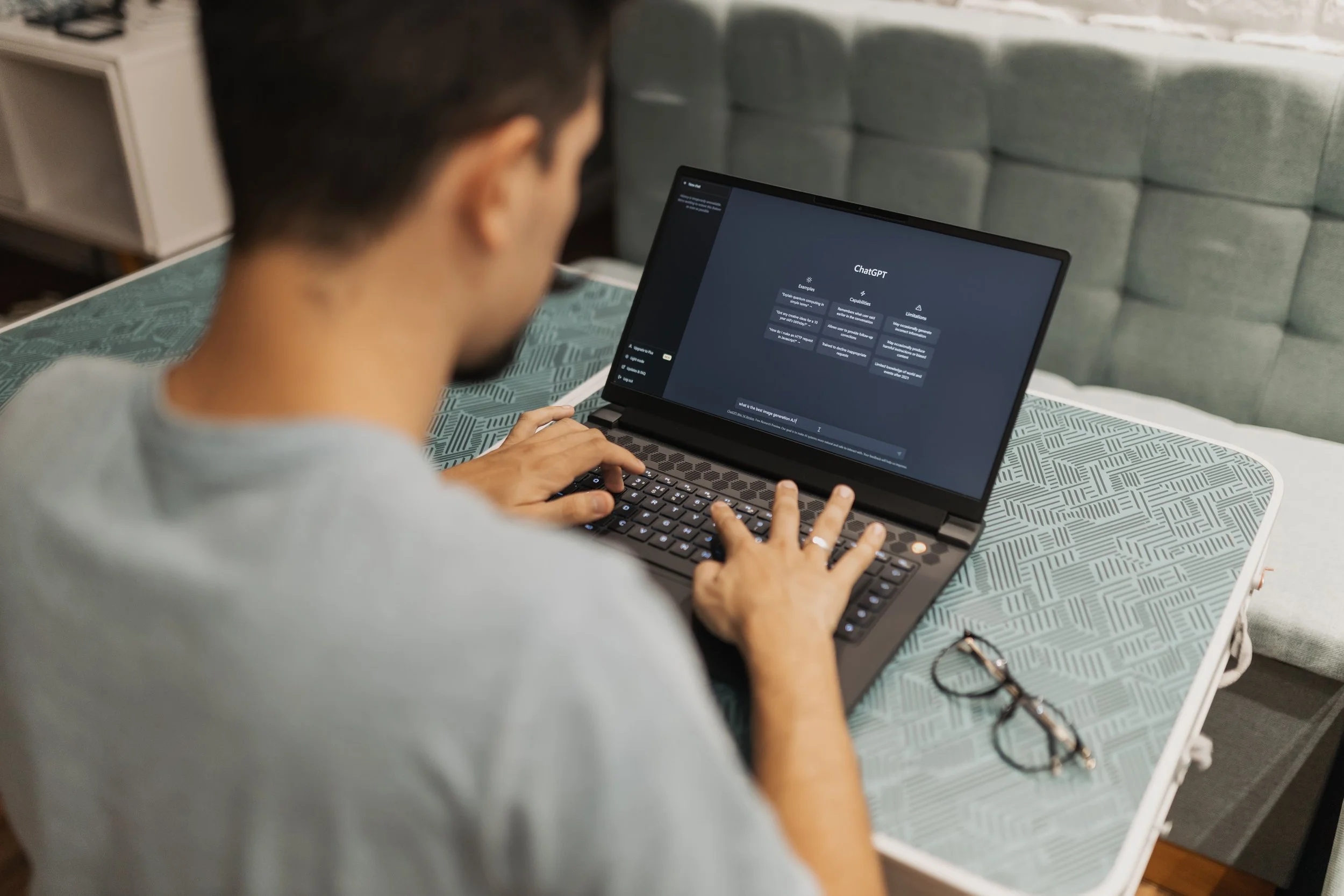
The candidates who stand out will be those who understand how to integrate AI into their work and use it as a tool to enhance their expertise.
Combining Expertise With AI
A candidate who has experience using AI to improve processes, increase efficiency, or solve problems demonstrates more than technical knowledge. They show curiosity, initiative, and a willingness to evolve with changing expectations.
The candidates who stand out will be those who understand how to integrate AI into their work and use it as a tool to enhance their expertise.
For example, a business development professional who uses AI to identify market trends, research potential clients, or personalize outreach is demonstrating the ability to use technology strategically. In media or publishing, a professional who uses AI to analyze audience behavior, streamline research, or identify content opportunities is showing how traditional expertise can be combined with new capabilities. Similarly, an operations leader who uses AI to improve workflows, identify inefficiencies, or automate repetitive processes demonstrates the type of problem-solving mindset companies increasingly value.
This may include:
Using AI tools to improve efficiency and productivity
Applying critical thinking to AI-generated information
Finding new ways to solve problems using available resources
Understanding when technology can help and when human judgment is needed

The future workplace will not be defined by humans versus technology, but by how well people and technology work together.
Why Human Judgment Still Matters
AI can generate ideas, analyze information, and automate certain processes, but it still requires people who can understand context, make decisions, and determine the best course of action. That human element is becoming even more valuable.
As AI becomes more common, professionals who can recognize its limitations will stand out. Knowing how to use a tool is only part of the equation. The ability to ask the right questions, challenge assumptions, and apply experience and judgment will separate those who simply use AI from those who use it effectively.
The future workplace will not be defined by humans versus technology, but by how well people and technology work together. The professionals who combine their existing expertise with emerging technology will be better positioned than those who rely only on the skills that made them successful in the past.

A candidate does not need to have every answer. But they should demonstrate that they know how to find them.
Why Learning Ability Has Become a Differentiator
Hiring someone is a long-term investment. Companies are not only thinking about what a candidate can contribute on day one; they are considering whether that person can continue adding value as the business changes.
A candidate who demonstrates curiosity and a willingness to learn signals that they are prepared for what comes next. This is especially valuable in industries where roles continue to evolve and companies cannot always predict what a position will look like several years from now.
Some of the strongest indicators of adaptability include:
Taking initiative to learn new skills
Moving successfully through periods of change
Expanding responsibilities beyond the original job description
Working across different teams or functions
Demonstrating curiosity about new technology and industry trends
A candidate does not need to have every answer. But they should demonstrate that they know how to find them.
Making Your Case as an Adaptable Candidate
Adaptability isn't something candidates can simply claim. It has to be demonstrated through experience, and it doesn't require a major career change or a move into an entirely different field. It can come from learning a new system, taking on additional responsibilities, helping a team navigate change, or finding a better way to solve an existing problem.
Candidates should consider:
Did you learn a new platform, system, or technology to improve how your team worked?
Did you take on a role or project that required you to build skills outside your previous experience?
Did you identify a better way of working and implement a solution?
Did you take initiative when faced with an unfamiliar challenge?
Being able to say, "I haven't done this exact thing before, but here is how I learned, approached the challenge, and delivered results," can be a real advantage. No candidate will have every skill needed for the future. What companies want to see is confidence that they can learn what comes next.
Candidates should also think about how they position this on their résumé. Instead of simply listing responsibilities, they should highlight moments of growth, problem-solving, and change. A résumé that demonstrates consistent career growth tells a more compelling story than one that only lists responsibilities.

The best hires are increasingly the ones who've shown they can keep learning after they join, not just the ones who already know everything
The Future Belongs to Those Who Keep Learning
The shift toward adaptability doesn't mean companies are abandoning expertise. A strong foundation of knowledge still matters. But the best hires are increasingly the ones who've shown they can keep learning after they join, not just the ones who already know everything.
AI is changing the workplace, but it is not eliminating the need for human expertise. Instead, it is changing what makes expertise valuable. The professionals who succeed will not necessarily be the ones who know the most today. They will be the ones who remain curious, embrace change, and continue building new skills as the world around them evolves.
In a workplace where technology is moving faster than ever, adaptability is no longer just a desirable quality. It is one of the most important qualifications a candidate can bring. The best candidates today are the ones who can say, "This is what I know, and this is how I continue to learn."